Partition of India
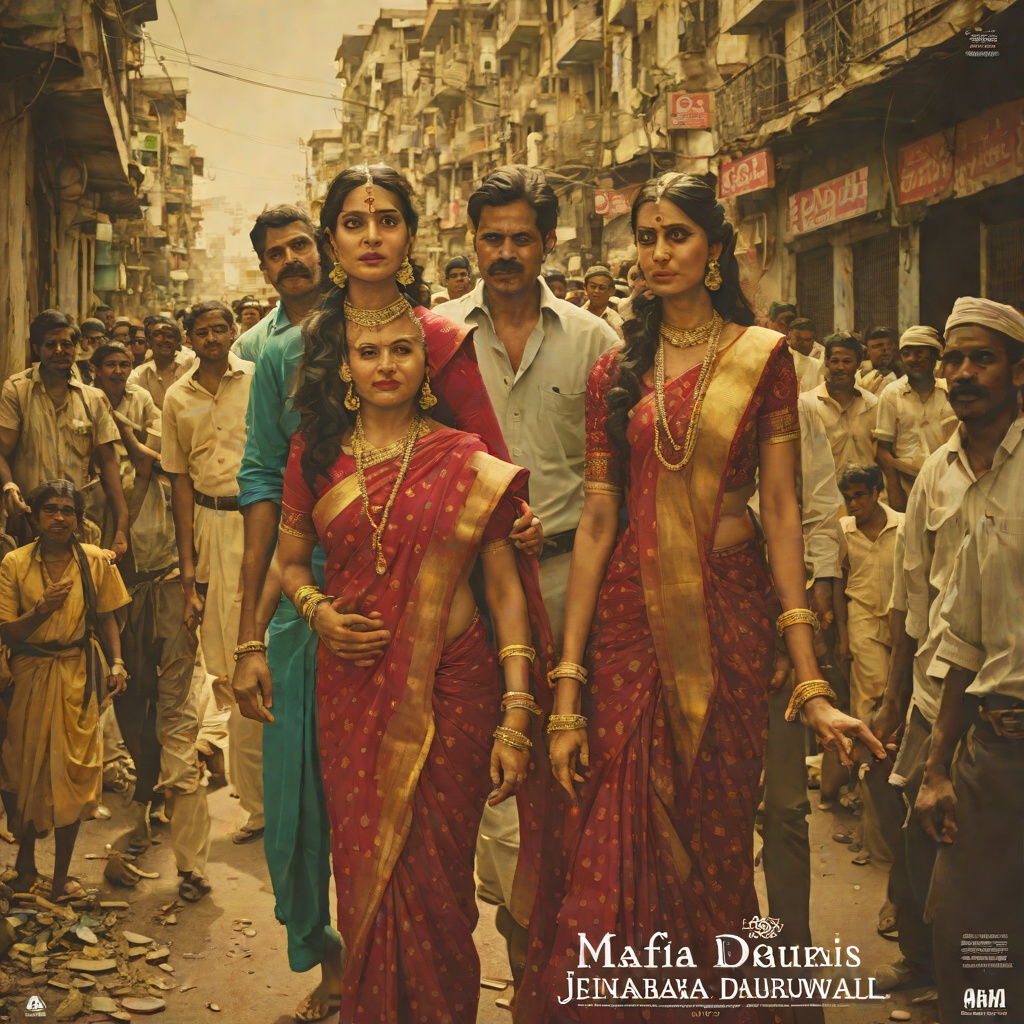
Mafia Queens of MumbaiThe Partition of India in 1947 is the foundational historical rupture that shapes the lives of the women in this book. It is the event that directly forces Jenabai Daaruwali to choose between her homeland and her husband, and thereby launches her into a life of crime as a grain smuggler. The event's legacy of communal division, displacement, and scarcity reverberates through the narratives, creating the conditions of poverty and marginalization that drive women into the underworld and frame their later acts of defiance and survival. The book presents this historical cataclysm not as a distant political event, but as a personal, domestic catastrophe with immediate and brutal economic consequences for the women it left behind.
Background and the Personal Rupture
The Partition of India in 1947 was the moment when Muslims and Hindus in the country redistributed themselves in the quest to find a new home after the British re-drew the map of the Indian subcontinent. For Jenabai Daaruwali, this national upheaval was a personal catastrophe. Her husband, Mohammad Shah Darwesh, decided to move to Pakistan, but Jenabai, who had spent much of her childhood and youth struggling for Independence, refused to leave Mumbai. Her husband refused to give in and moved to Pakistan, leaving her alone to fend for herself and her five children. This abandonment was the direct consequence of the Partition, transforming a political division of land into a domestic rupture that would define her future.
Economic Aftermath and the Birth of a Criminal
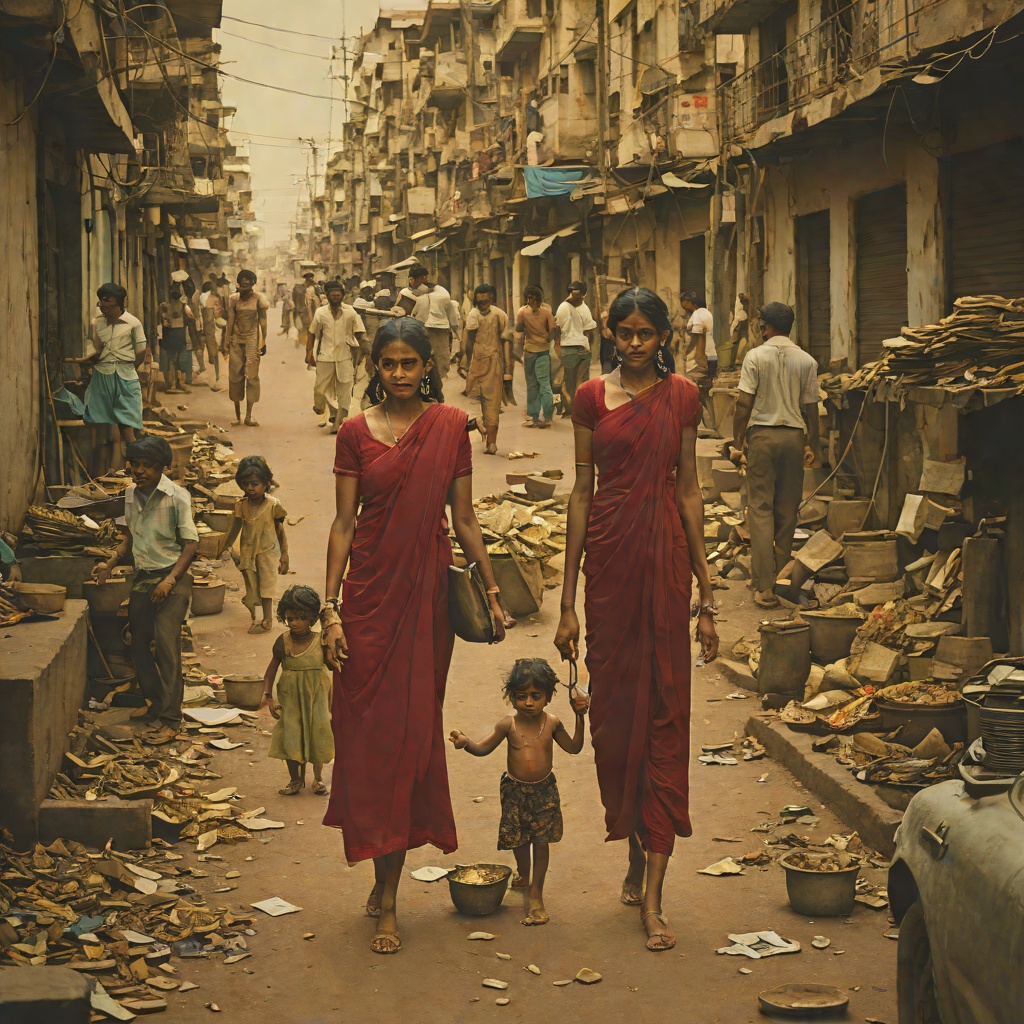
The Partition's economic fallout created the immediate conditions for Jenabai's descent into crime. She was completely lost and did not know how or where to begin. This was when there was a scarcity of grains in Mumbai. Most of the country's farmlands had gone to Pakistan, and slowly the middle-classes began to feel the lack of grains and lentils. At the time, the rationing system was prevalent in Mumbai, and the government distributed limited food essentials to ration-card holders. Rice, especially basmati, was the staple diet of the Muslim community, integral in dishes like pulao and biryani. The scarcity of foodgrain, lentils and wheat forced many to buy smuggled grain. In need of quick money to sustain her family, Jenabai started working as a broker for smuggled grain, playing intermediary to wholesalers and dealers of lentils, pulses, sugar and basmati rice. Hoarding and trading in grain without a licence was illegal and punishable by law, making her criminal career a direct and pragmatic response to the scarcity created by the Partition.
The Legacy of Communal Division
The Partition's legacy of communal division continued to shape the lives of these women long after 1947. Jenabai's own history was marked by communal turmoil, as her husband would often beat her for protecting Hindus during the communal clashes triggered by the British divide-and-rule policy. This pattern of communal violence culminated in the 1992–93 Bombay riots, during which Jenabai, now an old woman, led a peace march. The Suleman Usman Bakery firing on 9 January 1993, where police opened fire inside the bakery killing nine Muslims, was the last straw for her. In her long white chikan nightgown and a shawl that covered the grey in her hair, this fair and heavily jewelled lady, with a rosary in one hand and a white flag in the other, went out onto the street. She walked between the torched lanes of Dongri towards the Pydhonie junction, unconcerned about danger, embodying a resistance to the communal hatred that the Partition had set in motion.
The Partition's Shadow on Other Women
The Partition's shadow extends beyond Jenabai, framing the lives of other women in the book. The book itself is an attempt to understand the complex minds and the psyche of women criminals, and it argues that for these women, crime was not only a way of transcending their poverty and limitations but also a life-saving concept. The displacement and poverty that followed the Partition created a world where women like Gangubai Kathiawadi, who advocated for prostitution belts, and Madhu, a sixteen-year-old who was raped and sold into a brothel, had to navigate survival in a society fractured by communal and economic violence. The trauma of these experiences, from Madhu's first thoughts of death to Monica Bedi's years of isolation in a Lisbon prison, echoes the deeper historical trauma of a nation divided. The Partition is thus not merely a past event but a continuing condition that shapes the choices, suffering, and resilience of the women whose stories are told here.